
Industrial electrical systems are designed to work continuously, but unstable voltage can create serious operating problems when machines are running under heavy loads. Manufacturing plants, production lines, CNC equipment, welding systems, compressors, pumps, motors and other industrial machinery require controlled and dependable voltage for smooth operation. This is where an Oil Cooled Servo Voltage Stabilizer for Heavy Industrial Loads becomes an important part of the electrical system.
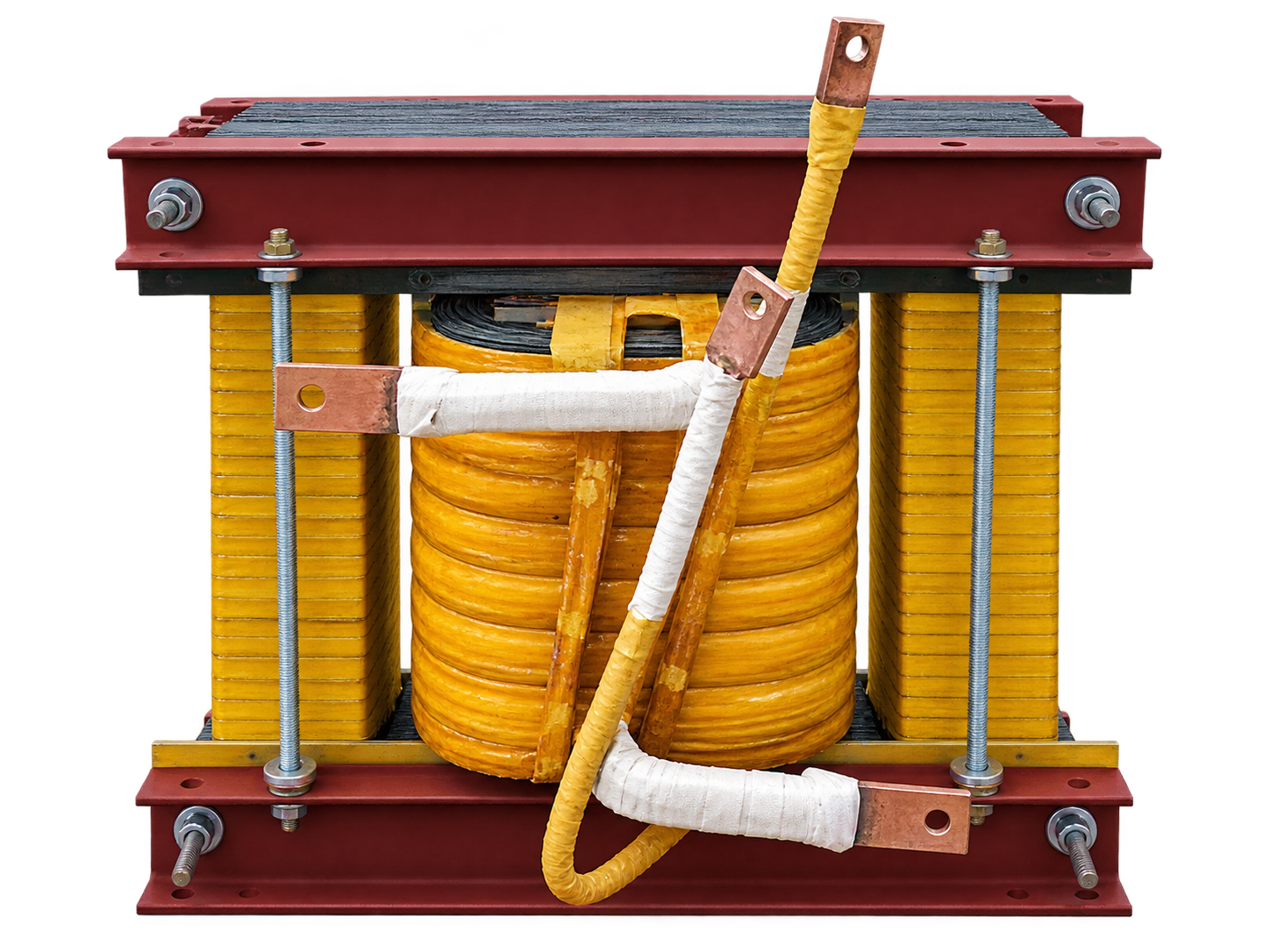
Samtronix Power Equipments manufactures industrial voltage control solutions for applications where electrical equipment needs stable and properly regulated power. An Oil Oil Cooled Servo Voltage Stabilizer for Industrial Loads is designed for demanding installations where the stabilizer may need to operate for long hours while handling substantial electrical loads. Its oil-cooled construction helps manage heat generated during continuous operation and supports reliable performance in industrial environments.
Why Voltage Stability Matters in Heavy Loads
Heavy industrial loads do not always behave in a simple way. Large motors can draw high current during starting, production equipment may operate continuously, and several machines can switch ON or OFF during the same working period. These changes can cause voltage fluctuations in the incoming supply.
An Oil Cooled Servo Voltage Stabilizer for Industrial Loads continuously monitors the incoming voltage and adjusts the output according to the required operating range. This automatic correction helps connected machinery receive a more controlled supply instead of directly experiencing every variation from the utility line.
| Industrial Problem | Possible Effect | Stabilizer Requirement |
|---|---|---|
| Low input voltage | Motor heating and reduced performance | Automatic voltage correction |
| High input voltage | Stress on electrical components | Controlled output voltage |
| Frequent fluctuations | Unstable machine operation | Continuous voltage regulation |
| Heavy motor starting | Sudden voltage demand | Proper capacity selection |
| Long operating hours | Heat generation | Suitable cooling arrangement |
| Uneven industrial load | Output instability | Correct system configuration |
The main purpose is not simply to increase or decrease voltage. The complete system has to sense the variation, calculate the required correction and regulate the output automatically.
How an Oil Cooled Servo Voltage Stabilizer Works
An Oil Cooled Servo Voltage Stabilizer for Industrial Loads generally uses a servo-controlled voltage correction mechanism. The incoming voltage is continuously sensed by the control system. When the voltage moves outside the required range, the servo motor operates the correction mechanism so that the output can be brought toward the desired level.
The process can be understood through numbered stages.
| No. | Operating Stage | What Happens |
|---|---|---|
| 1 | Input sensing | Incoming voltage is continuously monitored |
| 2 | Voltage detection | Control circuit identifies variation |
| 3 | Error calculation | Required correction is determined |
| 4 | Servo movement | Servo motor moves the regulating mechanism |
| 5 | Voltage correction | Output voltage is adjusted |
| 6 | Continuous monitoring | System keeps checking the supply |
| 7 | Load operation | Connected equipment receives regulated power |
This working principle is also associated with the term automatic voltage regulator with servo motor. The servo mechanism responds to voltage changes rather than requiring an operator to manually adjust the output.
For large installations, the Oil Cooled Servo Voltage Stabilizer for Industrial Loads can be configured according to the electrical requirements of the application, including three-phase industrial systems.
Why Oil Cooling Is Important for Industrial Operation
Heat is a major consideration in heavy electrical equipment. When an Oil Cooled Servo Voltage Stabilizer for Industrial Loads operates with substantial electrical loads for long periods, internal components generate heat. An oil-cooled design provides a practical method of transferring and managing this heat during operation.
The cooling arrangement becomes particularly relevant where an Oil Cooled Servo Voltage Stabilizer for Industrial Loads is installed in industrial areas and expected to work for extended periods. Proper thermal management supports the electrical components and helps maintain stable operation under demanding industrial conditions.
| Requirement | Industrial Consideration |
|---|---|
| Continuous operation | Thermal management becomes important |
| Heavy electrical load | More heat may be generated |
| Industrial environment | Construction should suit operating conditions |
| Long working hours | Cooling system needs proper attention |
| Large capacity | Electrical and mechanical design must be coordinated |
An Oil Cooled Servo Voltage Stabilizer for Industrial Loads therefore needs to be selected according to actual operating conditions instead of only looking at the connected machine’s nameplate rating.
Selecting the Correct Capacity for Heavy Loads
Capacity selection is one of the most important parts of stabilizer installation. An Oil Cooled Servo Voltage Stabilizer for Industrial Loads should be selected after understanding the actual electrical load and operating conditions to avoid potential operational issues.
For example, a motor-driven application may have a much higher starting current than its normal running current. Similarly, several machines may operate simultaneously. This is why the connected load, starting characteristics, operating pattern and future expansion should be considered when selecting an Oil Cooled Servo Voltage Stabilizer for Industrial Loads.
| Application Information | Why It Matters |
|---|---|
| Connected KVA | Determines basic stabilizer capacity |
| Running current | Helps understand continuous demand |
| Starting current | Important for motor-driven loads |
| Input voltage range | Determines correction requirement |
| Output requirement | Defines regulated output |
| Number of phases | Determines system configuration |
| Future load | Helps avoid immediate capacity limitations |
For smaller equipment, people may search for terms such as 5kva price servo stabilizer, 5kva servo stabilizer or 5 kva servo stabilizer. However, heavy industrial installations normally require capacity assessment based on the complete electrical load rather than selecting a unit only from a commonly searched capacity.
The same principle applies when searching for servo stabilizer price. The actual configuration, capacity, input range, output requirement and cooling arrangement can influence the required system specification.
Three Phase Applications in Industrial Facilities
A 3 phase servo stabilizer is commonly required where industrial machinery operates on a three-phase electrical supply. Production facilities frequently use three-phase power for motors, compressors, pumps, machine tools and other large electrical equipment.
An Oil Cooled Servo Voltage Stabilizer for Industrial Loads can be designed for three-phase applications where controlled voltage is required across the connected industrial system. This type of stabilizer can be suitable for applications where heavy machinery operates for extended periods and consistent voltage regulation is required.
| Three-Phase Application | Voltage Stability Requirement |
|---|---|
| Industrial motors | Stable supply during operation |
| CNC machinery | Controlled electrical input |
| Compressors | Reliable voltage during changing load |
| Pumps | Stable operation under load |
| Production machinery | Consistent electrical supply |
| Industrial automation | Controlled voltage for equipment |
Three-phase voltage stability is especially important when multiple machines share the same electrical infrastructure. A fluctuation affecting the incoming supply can otherwise reach several connected machines.
Servo Controlled Voltage Stabilizer for Continuous Loads

A servo controlled voltage stabilizer is designed around automatic voltage correction. The control mechanism continuously observes the electrical condition and operates the servo system when correction is needed. An Oil Cooled Servo Voltage Stabilizer for Industrial Loads can provide automatic voltage regulation for demanding industrial applications where stable supply conditions are important.
For heavy industrial applications, this automatic response can be useful because manual adjustment is not practical when machines are working continuously. Operators need to focus on production instead of repeatedly checking and correcting voltage. An Oil Cooled Servo Voltage Stabilizer for Industrial Loads can support continuous industrial operations by automatically responding to changes in the incoming supply.
Samtronix Power Equipments focuses on industrial stabilizer requirements where voltage regulation needs to work as part of the overall electrical setup.
| Feature | Industrial Benefit |
|---|---|
| Automatic sensing | Reduces dependence on manual checking |
| Servo correction | Allows controlled voltage adjustment |
| Oil cooling | Supports thermal management |
| Three-phase configuration | Suitable for industrial three-phase loads |
| Continuous monitoring | Helps respond to changing supply |
| Industrial construction | Designed around demanding applications |
Heavy Loads and Motor Starting Conditions
One common mistake during stabilizer selection is considering only normal running power. Heavy loads can behave differently during starting. Large motors, compressors and pumps may require substantially higher current for a short period.
This starting requirement should be considered before finalizing an Oil Cooled Servo Voltage Stabilizer for Industrial Loads. If the stabilizer capacity does not properly account for the application’s starting characteristics, the system may not perform as expected.
The following information should be evaluated during technical selection.
| No. | Parameter | Importance |
|---|---|---|
| 1 | Motor rating | Identifies connected load |
| 2 | Starting method | Influences starting demand |
| 3 | Starting current | Helps determine required capacity |
| 4 | Running current | Defines normal operating demand |
| 5 | Number of motors | Shows simultaneous load |
| 6 | Operating sequence | Identifies peak demand |
| 7 | Input voltage variation | Defines correction range |
This is why technical information from the actual site is useful before manufacturing or selecting the stabilizer.
Protection of Industrial Equipment
Voltage instability can place additional stress on electrical equipment. Low voltage may cause motors to draw higher current to maintain their operation, while excessive voltage can increase electrical stress on components.
An Oil Cooled Servo Voltage Stabilizer for Industrial Loads helps regulate the supply reaching connected equipment. This makes voltage management an important part of protecting production machinery and maintaining dependable electrical operation.
| Equipment | Voltage Stability Concern |
|---|---|
| Motors | Heating and operating performance |
| CNC machines | Electronic and control stability |
| Control panels | Sensitive electrical components |
| Compressors | Motor and control operation |
| Pumps | Starting and continuous running |
| Automation equipment | Stable control power |
The stabilizer should still be considered one part of the complete electrical protection system. Proper earthing, breakers, overload protection, cable sizing and installation practices also need to be correctly handled.
Industrial Installation Requirements
Installing an Oil Cooled Servo Voltage Stabilizer for Industrial Loads is not only about placing the equipment near the main electrical panel. The installation area should provide sufficient space for operation, inspection and maintenance.
The electrical connections must be appropriate for the stabilizer capacity, and the installation should follow the required safety practices. Adequate ventilation around the equipment and proper earthing are also important considerations.
| Installation Factor | Requirement |
|---|---|
| Foundation | Strong and suitable for equipment weight |
| Cable connection | Correctly sized for electrical load |
| Earthing | Proper industrial earthing arrangement |
| Clearance | Sufficient working and maintenance space |
| Environment | Suitable for operating conditions |
| Inspection | Easy access for technical checking |
A well-planned installation makes regular inspection easier and helps the stabilizer perform as intended.
Maintenance of an Oil Cooled Stabilizer
Regular maintenance should not be ignored simply because the equipment works automatically. An Oil Cooled Servo Voltage Stabilizer for Industrial Loads contains electrical, mechanical and control components that should be inspected according to the operating environment.
Oil condition, electrical connections, control operation and mechanical movement should be checked by qualified personnel. Dust, loose connections, unusual sound or abnormal heating should not be ignored.
| Maintenance Area | What Should Be Checked |
|---|---|
| Oil system | Condition and leakage |
| Electrical terminals | Tightness and heating signs |
| Servo mechanism | Smooth operation |
| Control panel | Indication and control function |
| Connections | Signs of overheating |
| Earthing | Continuity and condition |
| Physical body | Damage, corrosion or leakage |
Maintenance intervals can depend on operating hours, environment and equipment configuration.
Samtronix Power Equipments for Industrial Voltage Regulation
Samtronix Power Equipments provides industrial electrical equipment with a focus on voltage regulation and power management requirements. The company can manufacture stabilizer solutions according to the electrical requirements of industrial applications.
An Oil Cooled Servo Voltage Stabilizer for Industrial Loads can be considered for installations where the incoming supply experiences variation and the connected machinery requires regulated voltage.
The selection process can begin with basic information such as input voltage range, required output voltage, phase configuration, total load and operating conditions. From there, the stabilizer specification can be developed around the actual application instead of using a generic configuration.
| Required Information | Example Consideration |
|---|---|
| Phase | Single phase or three phase |
| Capacity | Based on connected industrial load |
| Input | Actual incoming voltage range |
| Output | Required regulated voltage |
| Load type | Motor, machine, automation or mixed load |
| Cooling | Oil-cooled industrial configuration |
| Working pattern | Continuous, intermittent or shift based |
For industries operating heavy loads, this technical approach helps ensure that the selected equipment is suitable for the electrical environment.
Servo Stabilizer Manufacturer for Industrial Requirements

A servo voltage stabilizer manufacturer needs to understand more than the basic concept of voltage correction. Industrial applications can have different load characteristics, voltage ranges and installation conditions.
Samtronix Power Equipments works around these application requirements while developing industrial stabilizer systems. For customers searching for a servo voltage stabilizer manufacturer in India, the important starting point is to provide accurate technical information about the electrical system, connected machinery and expected operating conditions.
Searches for servo stabilizer manufacturers, servo stabilizer manufacturers in Delhi and servo voltage stabilizer manufacturer often come from industries looking for equipment for actual installation. The specification should therefore be discussed according to the site requirement, load characteristics and intended application rather than relying only on a standard configuration.
Understanding Smaller Servo Stabilizer Requirements
Not every stabilizer application involves heavy loads. Smaller electrical systems may use capacities such as 5 KVA. Search terms like 5kva servo stabilizer and 5 kva servo stabilizer are commonly used when looking for equipment for smaller applications.
However, an industrial plant with multiple heavy loads requires a different technical assessment. The capacity must account for the complete connected system, particularly when motors or other high-starting-current equipment are involved.
| Load Situation | Main Selection Focus |
|---|---|
| Small equipment | Equipment KVA |
| Single motor | Running and starting current |
| Multiple motors | Simultaneous load |
| Production line | Total connected demand |
| Heavy industrial plant | Complete electrical load profile |
This approach avoids selecting a stabilizer merely from a generic capacity term.
Common Industrial Voltage Problems
Industrial voltage problems are often noticed through machine behaviour rather than by looking at the supply directly. Motors may run hotter, control systems may show errors, machinery may stop unexpectedly or production equipment may behave inconsistently.
An Oil Cooled Servo Voltage Stabilizer for Industrial Loads is intended to address voltage fluctuation as part of the electrical supply system.
| Observed Problem | Possible Electrical Concern |
|---|---|
| Motor heating | Low or unstable voltage |
| Machine shutdown | Supply fluctuation |
| Control errors | Voltage instability |
| Uneven machine performance | Changing supply |
| Frequent electrical faults | Electrical stress |
| Production interruption | Unstable power condition |
Proper measurement is important before assuming voltage is the only cause. Input and output voltage should be checked using suitable instruments.
Why Correct Technical Data Matters
Before ordering an Oil Cooled Servo Voltage Stabilizer for Industrial Loads, technical data should be collected from the installation. Guessing the voltage range or load can result in an unsuitable configuration.
Important information includes the incoming voltage range, required output, total KVA, phase arrangement and load type. Motor starting requirements should also be considered where applicable.
| Technical Data | Purpose |
|---|---|
| Minimum input voltage | Determines low-voltage correction |
| Maximum input voltage | Determines high-voltage correction |
| Required output | Defines regulated supply |
| Total KVA | Determines capacity |
| Phase | Defines electrical configuration |
| Load details | Helps understand operating behaviour |
| Starting requirements | Important for heavy motor loads |
For industrial buyers, accurate information makes the technical discussion much more useful and reduces confusion during system selection.
Applications of Oil Cooled Servo Voltage Stabilizer for Industrial Loads
An Oil Cooled Servo Voltage Stabilizer for Industrial Loads can be used in various industrial environments where substantial electrical equipment depends on a controlled power supply.
| Application Area | Typical Electrical Requirement |
|---|---|
| Manufacturing units | Stable supply for production machinery |
| Machine workshops | Controlled voltage for machine tools |
| Processing plants | Continuous power regulation |
| Motor-driven systems | Voltage support during operation |
| Industrial automation | Controlled electrical supply |
| Pumping systems | Stable motor operation |
| Compressor installations | Reliable voltage regulation |
| Production lines | Continuous supply management |
The exact stabilizer capacity and configuration should always be developed according to the actual installation.
Technical Details to Discuss Before Enquiry
A useful enquiry should include enough information for the manufacturer to understand the requirement. Simply asking for a servo stabilizer price may not provide enough technical information for proper selection.
| No. | Information | Why It Is Needed |
|---|---|---|
| 1 | Required KVA | Defines capacity |
| 2 | Input voltage range | Defines correction capability |
| 3 | Output voltage | Defines regulated supply |
| 4 | Phase | Determines system design |
| 5 | Load type | Identifies application behaviour |
| 6 | Motor details | Helps assess starting demand |
| 7 | Installation location | Helps consider environmental conditions |
| 8 | Working hours | Helps understand duty cycle |
Samtronix Power Equipments can use these details to understand the application and develop the required industrial voltage regulation configuration.
FAQs | Oil Cooled Servo Voltage Stabilizer for Industrial Loads
1. Why does my industrial motor heat up when the voltage drops?
Low voltage can make a motor draw more current to maintain its load, which may increase heating. The actual input voltage should be measured during both normal running and peak load.
2. Why does my stabilizer struggle when several machines start together?
Multiple motors starting at the same time can create a sudden increase in current demand. The stabilizer capacity should be checked against the combined starting requirement, not only the normal running load.
3. What should I check if the stabilizer output is stable but machines still trip?
Check the machine’s actual current demand, overload protection, cable sizing, earthing and individual equipment faults. A stable stabilizer output does not automatically rule out problems elsewhere in the electrical system.
4. Why does voltage fluctuate more during production hours?
Large motors, welding equipment, compressors and other heavy loads switching ON and OFF can cause changes in the electrical supply. Measuring voltage at different production periods can help identify the pattern.
5. How can I know whether my stabilizer capacity is becoming insufficient?
Monitor the stabilizer’s load during the highest production period. If additional machines have been added or the operating load has increased significantly, the complete KVA and starting-load requirement should be reassessed.
6. What should I do if the servo stabilizer makes unusual mechanical noise?
Stop treating the noise as normal and arrange a technical inspection. The servo mechanism, moving components, connections and other mechanical or electrical parts should be checked before continued heavy operation.
7. Why does my machine perform normally at light load but face problems at full load?
A voltage or capacity issue may only become noticeable when the electrical demand increases. Check the input voltage, stabilizer output, current and load conditions specifically during full-load operation.
Connect with Samtronix on LinkedIn for Industrial Power Expertise.