
Reliable Power Infrastructure for Large Industrial Operations
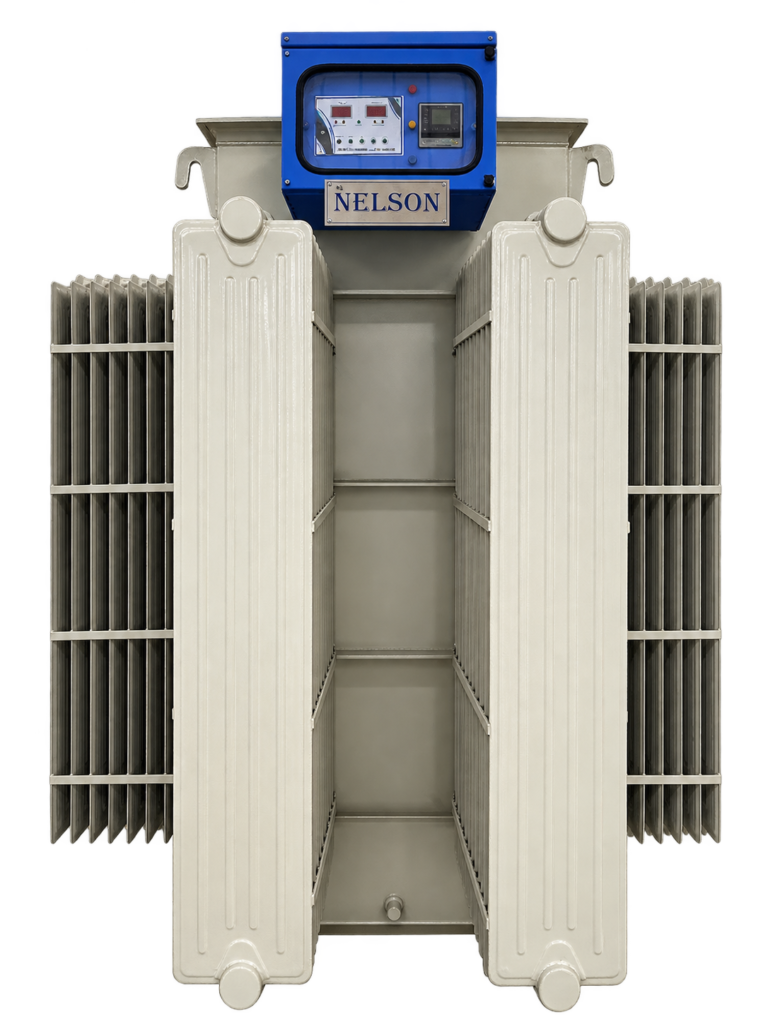
Large industrial facilities require a stable and dependable electrical supply to keep production running smoothly. Manufacturing plants, processing units, commercial complexes and infrastructure projects often operate multiple machines simultaneously, creating a substantial demand for electrical power. Selecting the right transformer is therefore essential for managing heavy electrical loads, maintaining operational stability and supporting long-term production requirements. A 1600 kVA Transformer Manufacturer in Delhi can help businesses identify suitable transformer solutions according to their electrical load, installation conditions and operating requirements.
Samtronix Power Equipments provides industrial electrical equipment solutions for businesses that need dependable power distribution and voltage management. With the legacy of NELSON Since 1979, the company focuses on practical electrical requirements for industrial and commercial applications. A properly selected 1600 kVA transformer can support large connected loads when its voltage ratings, protection arrangements, cooling system and installation requirements are correctly specified.
The requirement for a transformer is not limited to its capacity alone. Businesses must also consider the type of machinery being operated, starting currents, load variations, power factor and future expansion. These factors help determine whether the proposed electrical arrangement can support the facility under normal operating conditions without unnecessary interruptions.
Understanding a 1600 kVA Three-Phase Transformer
A transformer rated at 1600 kVA is designed to handle an apparent power capacity of 1,600 kilovolt-amperes. The actual active power available in kilowatts depends on the operating power factor. For example, at a power factor of 0.90, a 1600 kVA transformer corresponds to approximately 1,440 kW of active power under the relevant rated operating conditions.
This calculation is useful for industrial buyers because the total electrical demand of a facility is not always equal to the sum of the nameplate ratings of every machine. Some machines operate intermittently, while others run continuously. Motors, compressors, pumps, furnaces and automated production systems can also produce different load patterns throughout the working day.
When selecting a 1600 kVA Transformer Manufacturer in Delhi, buyers should provide the expected maximum demand, supply voltage, required secondary voltage and the nature of the connected equipment. This information helps establish whether the selected capacity is suitable for the installation.
| Technical parameter | Details to confirm |
|---|---|
| Rated capacity | 1600 kVA |
| Transformer type | Three-phase oil-cooled or another specified design |
| Primary voltage | According to the incoming supply |
| Secondary voltage | According to the distribution system |
| Frequency | Commonly 50 Hz in Indian industrial installations |
| Cooling arrangement | According to the selected design and load conditions |
| Installation | Indoor or outdoor, as applicable |
| Protection | Based on the transformer design and site requirements |
The final technical specification should be confirmed against the actual project requirements, applicable standards and manufacturer documentation.
Why Transformer Capacity Matters for Heavy Loads
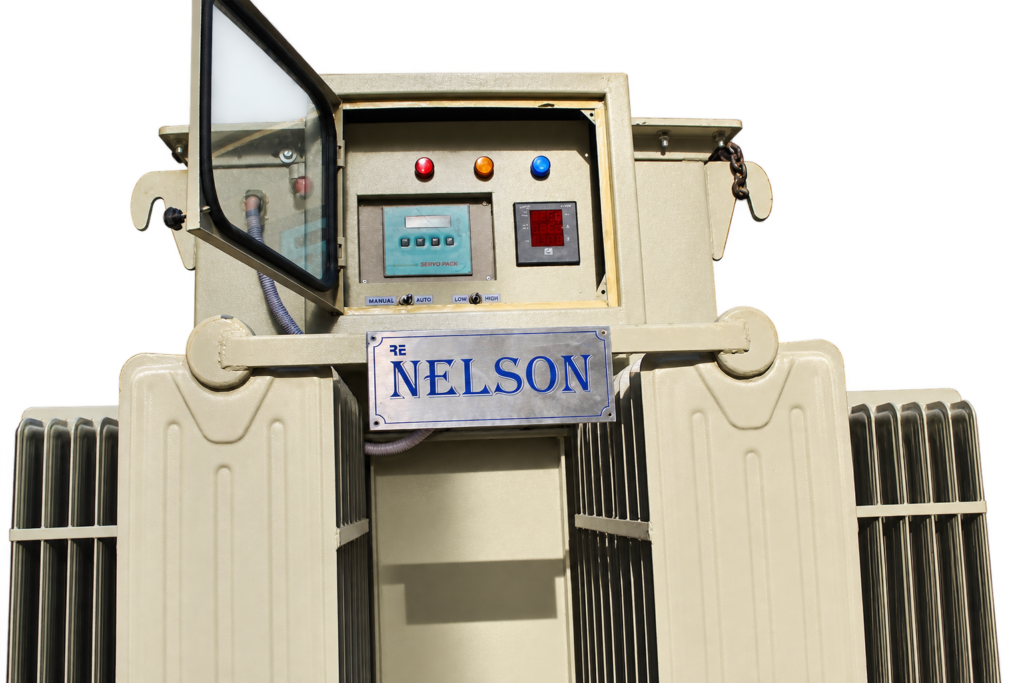
Heavy electrical loads require careful planning because several machines may draw current simultaneously. A transformer that is incorrectly sized can experience excessive loading, higher operating temperatures or unnecessary interruptions when demand increases. On the other hand, selecting an appropriate capacity helps create a more dependable electrical distribution arrangement.
A 1600 kVA Transformer Manufacturer in Delhi should understand that industrial demand changes with production schedules. A facility running injection moulding machines, large motors, industrial pumps and air compressors may experience different electrical demand during startup, normal production and peak operation.
For example, consider a factory with an estimated maximum demand of 1,200 kW and an operating power factor of 0.90. Its approximate apparent power requirement would be 1,333 kVA. A 1600 kVA transformer may provide a reasonable capacity basis, but the final selection must account for demand growth, motor starting, harmonics, ambient temperature and the applicable loading limits.
This calculation should not be treated as an automatic approval of the transformer size. A qualified electrical engineer must verify the actual load profile and installation conditions before finalising the design.
Oil-Cooled Transformer Design for Industrial Applications
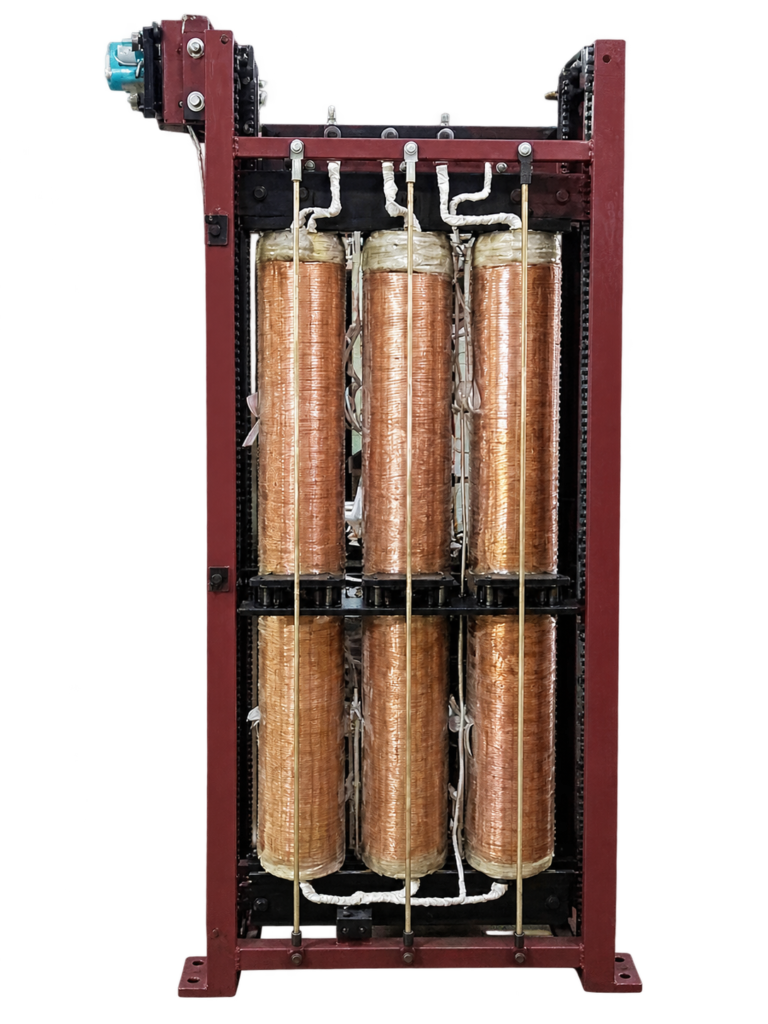
Oil-cooled transformers are widely used in electrical distribution systems where heat generated inside the transformer must be transferred away from the windings and core. The insulating liquid provides electrical insulation and assists heat transfer to the cooling surfaces. The actual cooling arrangement depends on the transformer’s construction and specified operating conditions.
A 1600 kVA Transformer Manufacturer in Delhi should clarify the proposed cooling method, insulation system, temperature-rise limits, tank construction and maintenance requirements. These details are important for industrial facilities where equipment may operate for extended periods under varying loads.
Oil-cooled designs can be suitable for factories, industrial campuses and other installations requiring substantial power capacity. However, the installation must provide appropriate clearances, access for maintenance, suitable fire-safety provisions and measures for managing potential oil leakage, in accordance with applicable regulations.
Regular inspection is also necessary. Unusual noise, oil leakage, abnormal temperature readings and repeated protective-device operations should be investigated rather than ignored. Depending on the transformer design and maintenance programme, inspections may include oil condition testing, checks of electrical connections and verification of protective equipment.
For facilities that also use an oil cooled stabilizer for industrial loads, the stabilizer and transformer must be selected as part of a coordinated electrical system. Their ratings, connection arrangements and operating characteristics should be checked by a qualified professional.
Transformer Applications in Manufacturing and Infrastructure
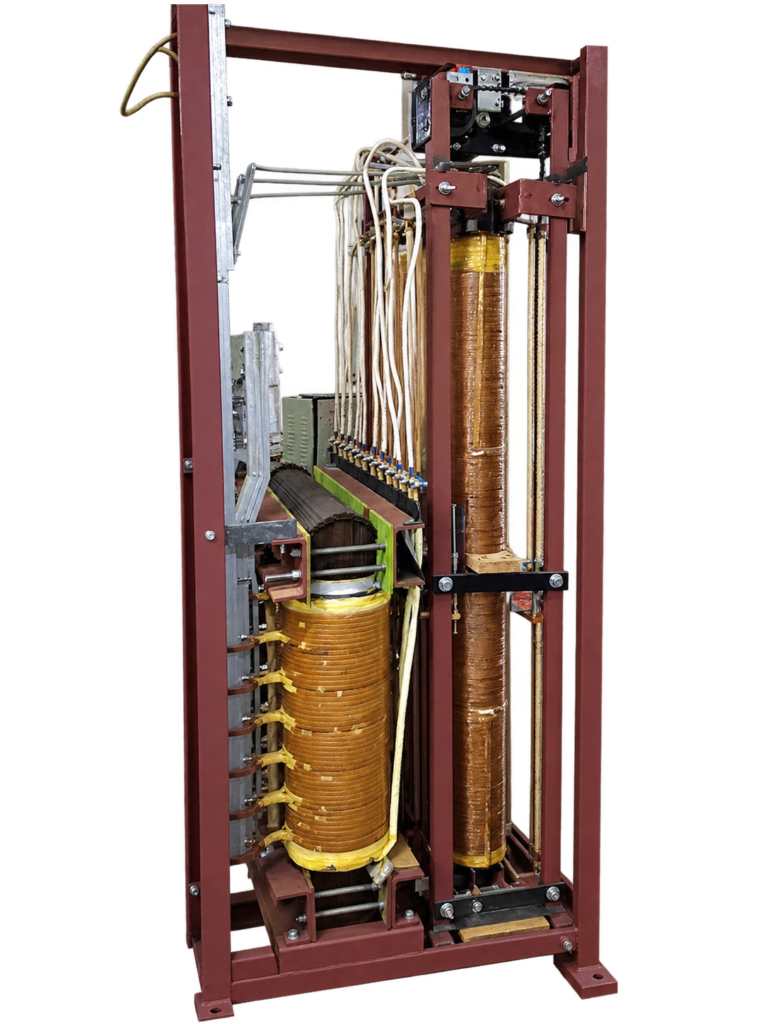
Industrial transformers serve a range of applications where electrical power must be distributed to production equipment, auxiliary systems and facility infrastructure. The exact transformer capacity depends on the connected demand and the electrical design of the site.
A 1600 kVA Transformer Manufacturer in Delhi may be approached by businesses planning electrical infrastructure for large manufacturing facilities, engineering workshops, commercial developments, industrial warehouses and processing plants.
In a manufacturing plant, the 1600 kVA Transformer Manufacturer in Delhi may supply distribution panels serving production lines, motors, pumps, compressors and material-handling equipment. In a commercial or institutional complex, the connected loads may include HVAC systems, lifts, lighting, water pumps and other building services.
Facilities with automated production lines also need to account for sensitive electrical equipment. CNC machines, programmable controllers, measuring instruments and digital control panels may be affected by voltage variations, harmonics, poor earthing or electrical disturbances. A transformer provides power transformation and isolation according to its design, but it does not automatically correct every voltage-quality problem.
For this reason, the transformer should be considered alongside the site’s protection system, earthing arrangement, distribution cables and voltage regulation equipment.
Integrating Voltage Stabilization with Industrial Power Systems
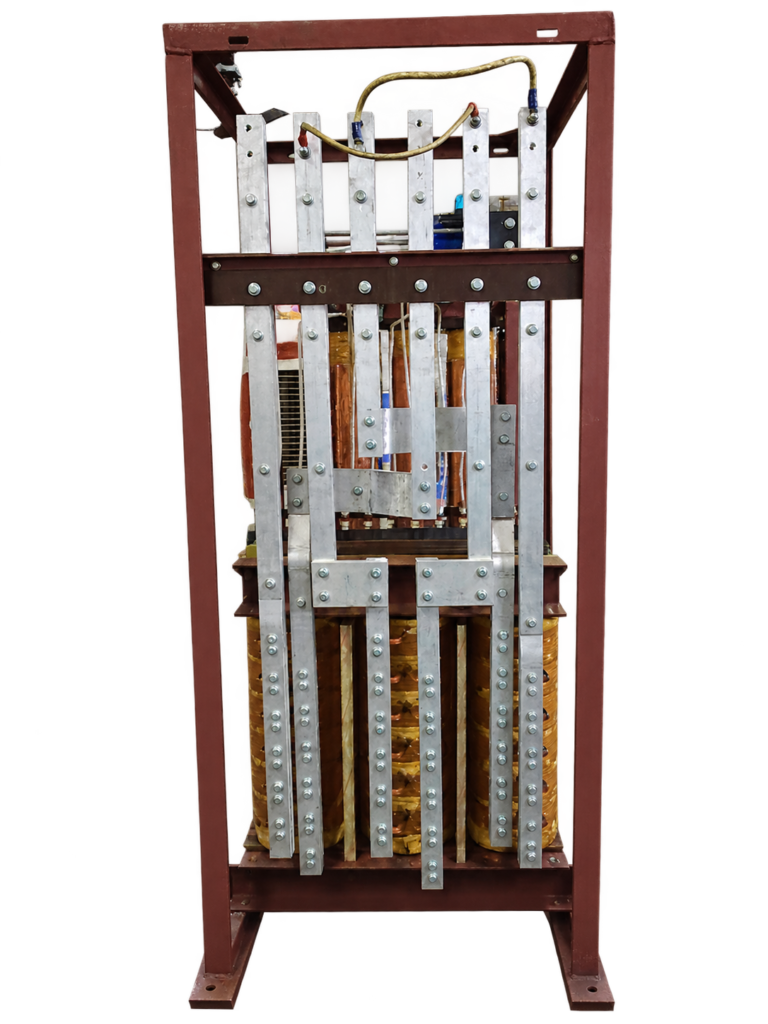
A 1600 kVA Transformer Manufacturer in Delhi and a voltage stabilizer perform different functions. A transformer changes voltage levels or provides electrical isolation, depending on its design. A servo voltage stabilizer regulates voltage within its specified input and output operating range. Selecting one does not automatically eliminate the need for the other.
Businesses using sensitive machinery may require a servo voltage stabilizer where incoming voltage fluctuates beyond the equipment’s acceptable operating range. The correct solution depends on the incoming supply conditions, connected load and required voltage tolerance.
A 1600 kVA Transformer Manufacturer in Delhi can help buyers identify the transformer specifications needed for their installation, while the stabilizer capacity should be evaluated separately by considering the load it must regulate.
A 3 phase servo stabilizer is commonly considered for three-phase industrial equipment and distribution systems. Its suitability depends on the connected load, phase imbalance, motor-starting requirements and the stabilizer’s rated capacity. A servo controlled voltage stabilizer may be useful where continuous voltage correction is required within the manufacturer’s specified operating limits.
For industrial buyers, the term industrial voltage stabilizer three phase generally refers to equipment intended to regulate voltage for three-phase loads. An industrial three phase voltage stabilizer may be selected for production lines, industrial motors and electrical distribution serving multiple machines.
A 1600 kVA Transformer Manufacturer in Delhi for factory applications must be specified according to the actual voltage fluctuations, maximum demand and type of equipment being protected. Similarly, a voltage stabilizer for heavy machinery needs sufficient capacity to accommodate the machine’s operating characteristics, including permissible starting current and load changes.
Servo Stabilizers for CNC Machines and Automated Production
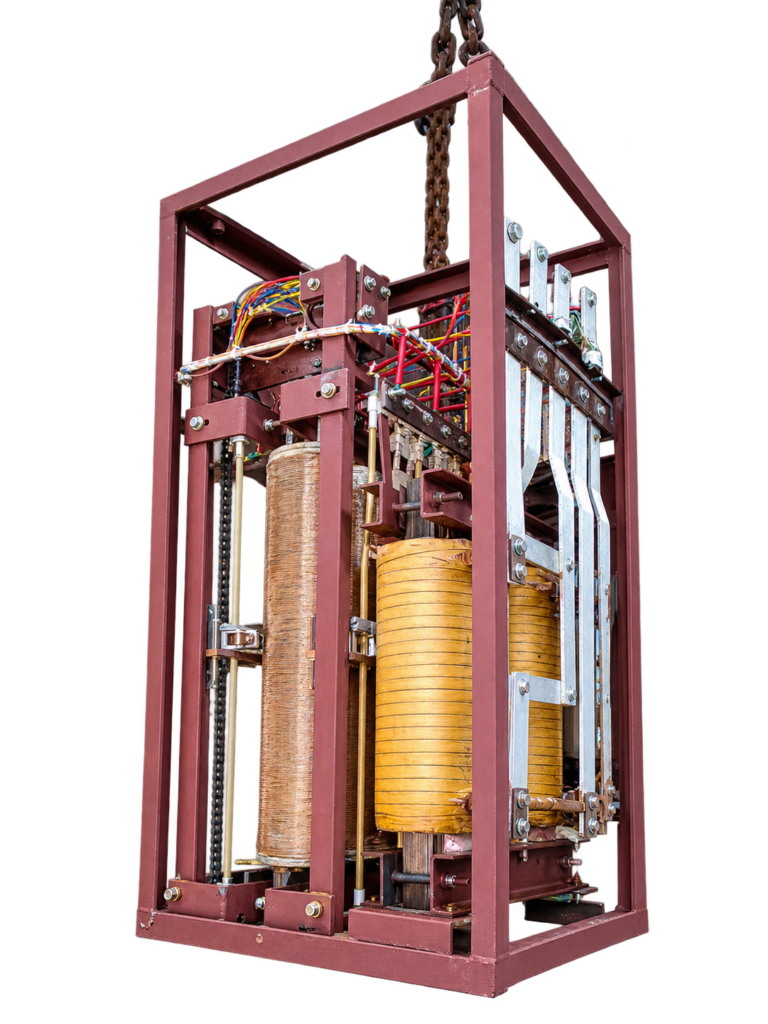
CNC machines depend on electronic controls, drives and other electrical components that may require a defined supply-voltage range. Unexpected voltage fluctuations can contribute to nuisance alarms, interrupted machining cycles or equipment shutdowns, although the actual cause of a fault must always be diagnosed.
A servo stabilizer for CNC machine applications should be selected using the machine manufacturer’s electrical specifications. Buyers should check the required input voltage, frequency, phase arrangement, permissible voltage variation and rated current before deciding on capacity.
For installations with several CNC machines, the electrical engineer should determine whether a central stabilizer or individual units are more suitable. This decision depends on simultaneous demand, the sensitivity of the machines, distribution layout and the consequences of a shared supply interruption.
A servo voltage stabilizer for CNC machines can help maintain voltage within its specified correction range when the incoming supply varies. It cannot compensate for every electrical disturbance, and it should not be considered a replacement for proper earthing, surge protection or machine-specific power-quality measures.
Samtronix Power Equipments supports enquiries relating to industrial electrical equipment, including applications where transformers and voltage regulation solutions form part of the same power infrastructure. Buyers should share their machine details and supply conditions to help establish suitable technical requirements.
Selecting Capacity for Industrial Motors and Heavy Machinery
Motor loads need particular attention because their starting current can be significantly higher than their normal running current. Large compressors, pumps, conveyors and manufacturing equipment may therefore affect the sizing of both transformers and stabilizers.
A 1600 kVA Transformer Manufacturer in Delhi should be given information about the largest motors, starting methods, operating sequences and the number of machines that may start together. Direct-on-line starting, soft starters and variable-frequency drives can produce different electrical demand patterns.
| Industrial equipment | Electrical detail to review |
|---|---|
| Large induction motors | Starting current and starting frequency |
| Air compressors | Motor rating and duty cycle |
| Industrial pumps | Starting method and simultaneous operation |
| CNC production lines | Input voltage tolerance and electronic load characteristics |
| Welding equipment | Load variation and possible voltage disturbances |
| HVAC systems | Compressor starting and continuous demand |
| Automated machinery | Control-system sensitivity and harmonics |
A servo stabilizer for manufacturing industry applications should be assessed against the connected load rather than selected solely by the number of machines. If several motors start at the same time, their combined demand can exceed the expected steady-state load for a short period.
The same principle applies when selecting a servo voltage stabilizer manufacturer and 1600 kVA Transformer Manufacturer in Delhi for a facility with heavy machinery. The supplier needs accurate load information to determine the required capacity, correction range and operating characteristics.
Important Details to Confirm Before Ordering
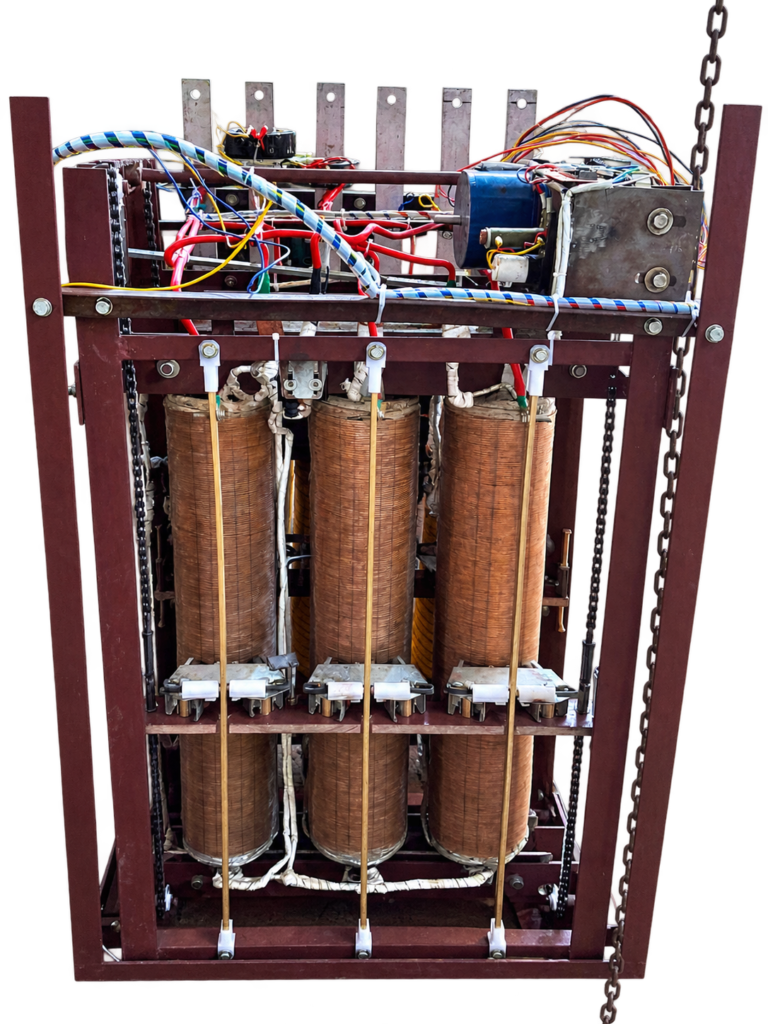
A successful tran1600 kVA Transformer Manufacturer in Delhi sformer installation begins with accurate technical information. Buyers should prepare the electrical load schedule, incoming supply details, required output voltage and expected operating conditions before requesting a specification.
When contacting a 1600 kVA Transformer Manufacturer in Delhi, explain whether the installation is a new project, an expansion or a replacement for an existing transformer. For replacement projects, the existing nameplate and electrical drawings can help identify the present arrangement and any constraints.
The buyer should also confirm the required terminal arrangement, cable entry, enclosure or tank requirements, installation environment and access for maintenance. Depending on the project, technical documentation may need to include a rating plate, test reports, drawings, protection details and applicable compliance information.
A transformer for outdoor installation may require different site provisions from one installed inside a dedicated electrical room. Foundation strength, ventilation, safe access, fire protection and clearance from nearby equipment must be evaluated before installation.
A 1600 kVA Transformer Manufacturer in Delhi should also clarify the inspection and testing process before dispatch. Routine testing and any additional project-specific tests should be agreed upon in the technical specification rather than assumed.
How Samtronix Power Equipments Supports Industrial Enquiries
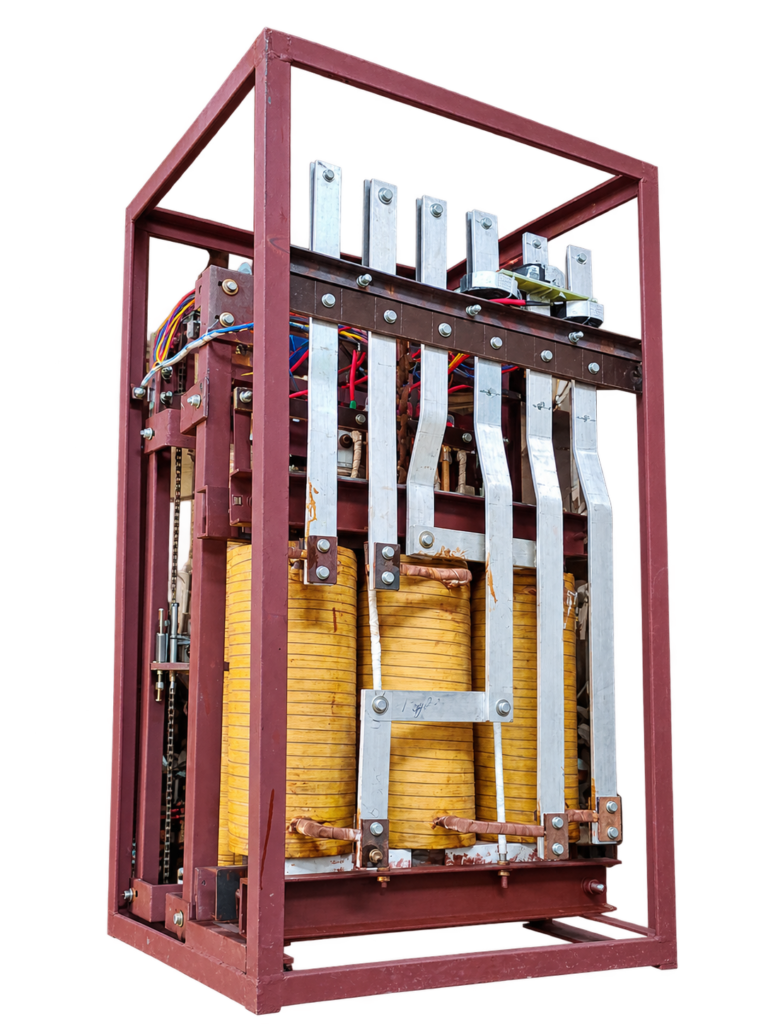
Samtronix Power Equipments works with industrial electrical equipment requirements involving transformers, voltage stabilizers and dimmers. Businesses planning new electrical installations can share their application details to help define the relevant product specifications.
As a 1600 kVA Transformer Manufacturer in Delhi search term, this phrase often represents buyers looking for a dependable supplier who can understand a project’s capacity and installation needs. For this reason, an enquiry should include more than the requested kVA rating. Details about the application, voltage levels, phase arrangement and operating environment can make the technical discussion more productive.
The company’s NELSON Since 1979 legacy reflects its established identity in the electrical equipment sector. For a new factory, expansion project or replacement requirement, buyers can contact Samtronix Power Equipments to discuss the proposed application and request the relevant technical information.
Industrial buyers searching for servo stabilizer manufacturers in Delhi may also need voltage regulation equipment for specific machinery. The correct choice depends on whether the requirement concerns a complete factory supply, an individual production line or sensitive equipment such as CNC machines.
Some buyers begin their research with searches such as “5kVA price servo stabilizer,” “5kva servo stabilizer,” “5 kva servo stabilizer” or “servo stabilizer price.” These searches relate to smaller-capacity requirements and should not be confused with the technical assessment needed for a 1600 kVA Transformer Manufacturer in Delhi installation. The equipment capacity must follow the actual application rather than a search phrase.
Whether the requirement involves a transformer for heavy industrial demand or a servo stabilizer for an individual machine or 1600 kVA Transformer Manufacturer in Delhi, the buyer should provide the electrical specifications before requesting a final recommendation.
Technical Enquiry Information for Faster Coordination
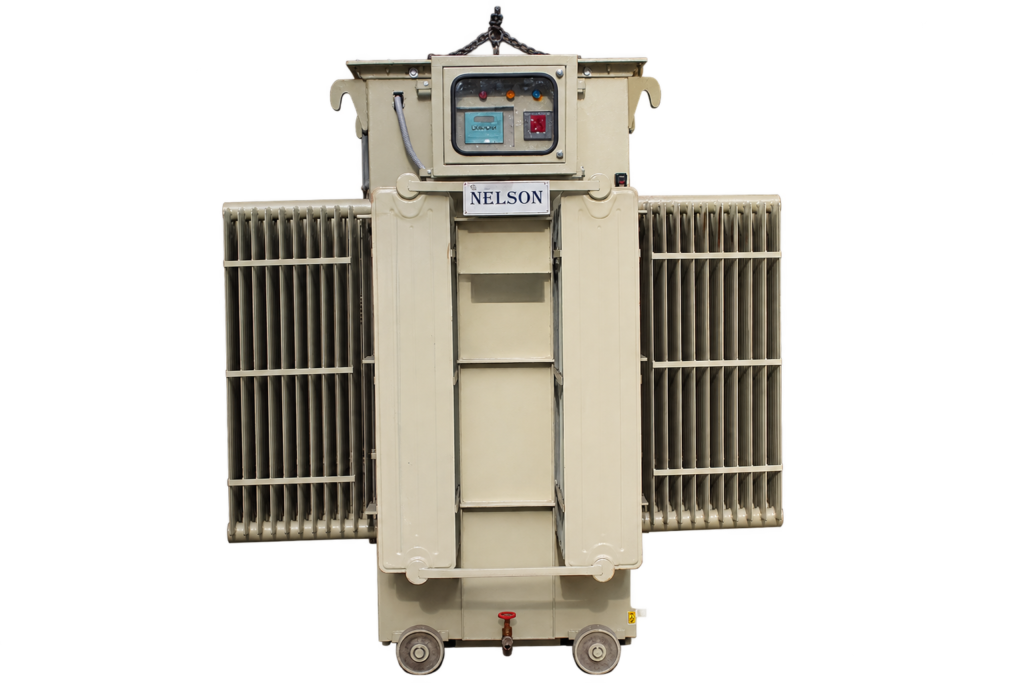
A well-prepared enquiry helps the supplier understand the project without repeated requests for missing details. Businesses should mention the required transformer capacity, primary and secondary voltage, frequency, cooling preference and intended installation location.
For a 1600 kVA Transformer Manufacturer in Delhi enquiry, it is also useful to share the estimated maximum demand in kW or kVA, the power factor if known, and whether large motors operate simultaneously. If voltage fluctuations are a concern, include the measured minimum and maximum input voltage rather than relying only on a general description such as low voltage or unstable supply.
Where a servo stabilizer 1600 kVA Transformer Manufacturer in Delhi is being considered, provide its intended load, phase arrangement, input-voltage range and the voltage tolerance required by the connected equipment. A servo stabilizer for industrial machines must be matched to its intended application, not just the nominal voltage of the site.
Samtronix Power Equipments welcomes industrial enquiries for transformer and voltage management requirements. Contact the team to discuss your project specifications and identify the information needed for the next technical step.
FAQs | 1600 kVA Transformer Manufacturer in Delhi
1. What information is required for a 1600 kVA transformer enquiry?
Provide the primary and secondary voltage, phase arrangement, cooling requirement, installation location and estimated maximum load. Motor-starting details are useful for industrial projects.
2. Is a 1600 kVA transformer suitable for heavy machinery?
It can be suitable when the calculated demand, starting currents, operating conditions and applicable loading limits support the selection. An electrical engineer should verify the final capacity.
3. Does an oil-cooled transformer regulate voltage automatically?
No. Its main function is voltage transformation and power distribution. Voltage regulation may require a suitably specified stabilizer or another engineered solution.
4. Can a servo stabilizer be connected with a transformer?
Yes, where the electrical design permits it. The connection arrangement, voltage ratings, capacity and protection coordination must be checked before installation.
5. How can voltage fluctuations affect CNC machines?
Voltage disturbances may trigger alarms, interrupt machining cycles or affect electronic controls. The fault should be diagnosed before selecting a voltage stabilizer.
6. What should be checked before replacing an existing transformer?
Review the nameplate, voltage ratios, capacity, protection arrangements, load profile, installation constraints and test documentation before approving a replacement.
7. How can I enquire about a 1600 kVA transformer in Delhi?
Contact Samtronix Power Equipments at +91 92125 12914 or email manjeet@samtronixservostabilizer.com with your technical requirements and installation details.
Connect with Samtronix on LinkedIn for Industrial Power Expertise.