
Industrial electrical systems depend on a stable and controlled power supply for motors, CNC machines, automation systems, control panels, transformers, compressors, pumps, and other sensitive equipment. When the incoming voltage moves above or below the required operating range, equipment performance can become unstable and production may be affected. These changes are commonly referred to as industrial voltage fluctuations.

Industrial voltage fluctuations can happen for several reasons, including sudden changes in electrical load, problems in the utility supply, overloaded distribution systems, loose connections, transformer-related issues, and starting of large industrial motors. Understanding the actual cause is important because simply installing protection equipment without identifying the source may not solve the underlying voltage problem.
For an industrial facility, high voltage and low voltage are not just electrical readings on a meter. They can influence motor current, heating, control circuits, machine accuracy, component life, and overall operating reliability. This is why voltage monitoring and proper voltage regulation for industrial equipment should be treated as an important part of electrical system management.
Understanding Industrial Voltage Fluctuations
Industrial voltage fluctuations describe repeated or occasional changes in the voltage supplied to electrical equipment. The voltage may rise above the desired level, fall below it, or continuously move between different levels depending on the condition of the electrical network.
The severity of the problem depends on the equipment connected to the supply. A small voltage variation may not noticeably affect a basic resistive load, while sensitive electronic controls, motors, automation equipment, and precision machines can react much more quickly.
Industrial voltage fluctuations can also occur for very short periods. A voltage disturbance lasting only a few seconds may cause a machine controller to reset, while a longer low-voltage condition can cause motors to draw higher current and operate with increased heating.
| Voltage condition | Common effect |
|---|---|
| High voltage | Increased electrical stress and heating in some equipment |
| Low voltage | Reduced motor performance and increased current demand |
| Repeated fluctuations | Unstable machine operation |
| Sudden voltage change | Control trips and equipment interruption |
| Unbalanced voltage | Unequal loading and motor heating |
Causes of High Voltage in Industrial Power Systems
The causes of high voltage in industrial power systems can vary from one facility to another. A voltage increase may come from the utility network, the site’s distribution system, switching operations, or incorrect transformer settings.
One common reason is light electrical loading. When the electrical network is lightly loaded, voltage at the receiving end can sometimes rise because of the characteristics of the distribution system. This becomes more noticeable on certain long distribution lines where the voltage changes significantly between low-load and high-load conditions.
Another cause can be incorrect transformer tap settings. Transformers are often provided with tap arrangements to control the output voltage. If the tap setting does not match the actual supply conditions, the secondary voltage can become higher than required.
Power factor correction equipment can also influence voltage. Capacitor banks installed in an industrial facility are useful for improving power factor, but incorrect sizing, switching, or control of capacitor banks can contribute to unwanted voltage rise under certain operating conditions.
Industrial voltage fluctuations can also be associated with switching events. Large loads being connected or disconnected can change the electrical conditions of the network. Depending on the system configuration, these events may temporarily increase or decrease voltage.
Loose or incorrect electrical connections may create additional voltage problems. Although poor connections are commonly associated with voltage drops, unusual network conditions and incorrect distribution arrangements can also result in abnormal voltage at particular points in the system.
Causes of Low Voltage in Industrial Power Systems
The causes of low voltage in industrial power systems are often connected with heavy loading, inadequate distribution capacity, long cable runs, and high starting currents.
One of the most common causes is an overloaded electrical system. When several high-power machines operate at the same time, the demand on transformers, cables, switchgear, and distribution equipment increases. If the system is operating close to or beyond its practical capacity, voltage can drop at different points in the network.
Large motors are another important factor. When an induction motor starts, it can temporarily draw a high starting current. This current creates a voltage drop through the impedance of the electrical supply. If several large motors start together, the resulting voltage disturbance can become more noticeable.
Long cable distances can also contribute to low voltage. Every cable has electrical resistance and impedance. When current flows through the cable, a voltage drop occurs. The effect becomes more significant when the cable is undersized, the load current is high, or the distance between the distribution panel and machine is long.
Poor electrical connections can create localized voltage drops as well. Loose terminals, damaged conductors, corroded contacts, and poorly maintained switchgear can increase resistance in the circuit. This can cause voltage at the equipment terminals to be lower than the voltage measured at the main incoming panel.
| Low-voltage cause | Where the problem may appear |
|---|---|
| Overloaded transformer | Main distribution |
| Large motor starting | Motor feeder |
| Long cable run | Machine end |
| Undersized conductor | Feeder circuit |
| Loose connection | Terminal or panel |
| Utility-side disturbance | Incoming supply |
How Industrial Loads Create Voltage Problems
Industrial machines do not all consume electricity in the same way. Motors, welding equipment, compressors, pumps, furnaces, variable-speed drives, and automated production systems can create different electrical loading patterns.
A machine that repeatedly starts and stops can cause frequent changes in demand. If several machines operate according to the same production cycle, their combined demand may change quickly. This can increase industrial voltage fluctuations throughout the facility.
Large inductive loads are particularly important because motors require significant current during starting and changing operating conditions. When a motor accelerates, the electrical demand changes until it reaches its normal operating state.
Welding machines and other rapidly varying loads can also contribute to Industrial Voltage Fluctuations. Their current demand can change quickly, producing noticeable variations in the supply voltage in some industrial networks.
The problem becomes more serious when sensitive equipment is connected to the same distribution network. A voltage disturbance created by one machine may affect another machine if both share the same electrical source.
Industrial Power System Voltage Problems From Distribution Networks
Industrial power system voltage problems do not always originate inside the factory. The incoming utility supply can also experience voltage variation because of changes in the wider electrical network.
Industrial facilities may experience different voltage conditions at different times of the day. The electrical load on a distribution network changes according to industrial, commercial, and residential demand. Network switching, feeder changes, faults, and restoration activities can also affect the supplied voltage.
A facility located far from a distribution transformer or supplied through a long feeder may experience more noticeable voltage changes. The condition of the local infrastructure also matters.
For this reason, measuring voltage only once is usually not enough to understand Industrial Voltage Fluctuations. Repeated measurements over different operating periods can reveal whether the problem happens during machine starting, peak production, low-load operation, or particular times of the day.
High Voltage in Industrial Equipment | Industrial voltage fluctuations
High voltage in industrial equipment can place additional electrical stress on components designed to operate within a specific voltage range. Motors, coils, control transformers, electronic power supplies, and other electrical components may respond differently when the supplied voltage remains above their intended operating conditions.
Continuous exposure to abnormal voltage can increase stress on insulation and other electrical components. Sensitive electronic equipment may also generate alarms or shut down when its input voltage moves outside its acceptable range.
High voltage should therefore not be treated simply as a temporary inconvenience. If measurements repeatedly show abnormal voltage, the electrical system should be inspected to identify whether the issue comes from the incoming supply, transformer settings, distribution equipment, or another source.
Low Voltage in Industrial Equipment | Industrial voltage fluctuations
Low voltage in industrial equipment can be particularly noticeable in motor-driven applications. When a motor receives insufficient voltage, its operating characteristics can change. Under certain conditions, the motor may draw increased current to maintain the required load, which can increase heating.
Machines containing contactors, relays, control transformers, drives, and electronic controllers may also behave unpredictably when their supply voltage falls outside the recommended operating range.
Low voltage can become more visible during periods of high production demand. If voltage drops whenever several machines operate simultaneously, this may indicate a capacity or distribution issue rather than an isolated machine fault.
| Equipment type | Possible response to low voltage |
|---|---|
| Motors | Reduced performance and increased heating |
| Contactors | Chattering or dropping out |
| Control systems | Reset or malfunction |
| Drives | Fault or protective shutdown |
| Lighting systems | Dimming or unstable operation |
Voltage Instability in Industrial Power Systems
Industrial voltage fluctuations instability in industrial power systems can develop when the electrical network cannot maintain a sufficiently stable voltage as the connected load changes.
A facility with highly variable loads may see voltage move repeatedly throughout the production cycle. For example, a heavy machine may start, another load may switch off, and several motors may operate simultaneously. Each event changes the electrical demand and can influence the voltage available to other equipment.
This is one reason Industrial Voltage Fluctuations should be investigated using actual operating data instead of relying only on assumptions.
A voltage logger or suitable power-quality monitoring instrument can record the supply over an extended period. The recorded information can then help identify when the voltage changes and whether those changes are associated with particular machines or operating conditions.
The Role of Cable Size and Voltage Drop
Cable selection has a direct relationship with voltage stability. Conductors that are too small for the required current can produce greater voltage drop, particularly when the cable run is long.
Voltage drop is affected by conductor size, cable length, current, conductor material, temperature, and the type of electrical load. Industrial facilities with long feeder distances should therefore consider voltage drop during electrical system design.
If voltage at the main panel appears normal but the machine terminals show substantially lower voltage, the feeder between those two points deserves attention.
Replacing or correcting the feeder may sometimes address the source of the problem. In other cases, the facility may require additional voltage regulation depending on the incoming supply and equipment requirements.
Transformer Problems and Voltage Variation
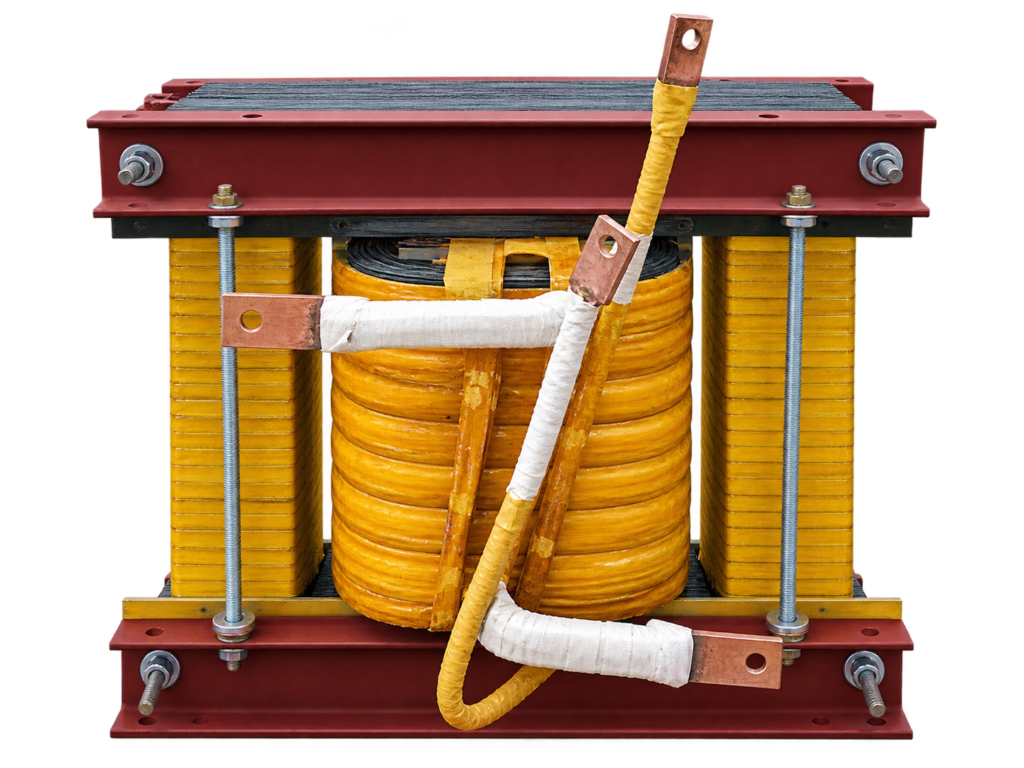
Transformers play an important role in industrial voltage management. Incorrect transformer capacity, unsuitable tap settings, excessive loading, or maintenance issues can influence the voltage delivered to downstream equipment.
A transformer operating close to its practical capacity may experience greater voltage variation when the connected load changes. If production demand increases significantly, the secondary voltage can change depending on the transformer’s characteristics and the upstream supply.
Regular inspection of transformer terminals, connections, cooling arrangements, and operating conditions can help identify developing electrical problems.
Why Voltage Measurement Should Be Done at the Machine
Measuring voltage only at the incoming electrical panel does not always show what the machine is actually receiving.
Industrial voltage fluctuations can change between the main panel and the equipment because of cable impedance, connections, distribution boards, transformers, and load conditions. Therefore, when investigating Industrial Voltage Fluctuations, measurements should be considered at important points in the electrical distribution system.
For example, if the incoming voltage is stable but the machine terminal voltage changes significantly when another large motor starts, the issue may be located within the facility’s distribution network.
This type of measurement helps separate an incoming-supply problem from an internal distribution problem.
Industrial Voltage Protection and Regulation
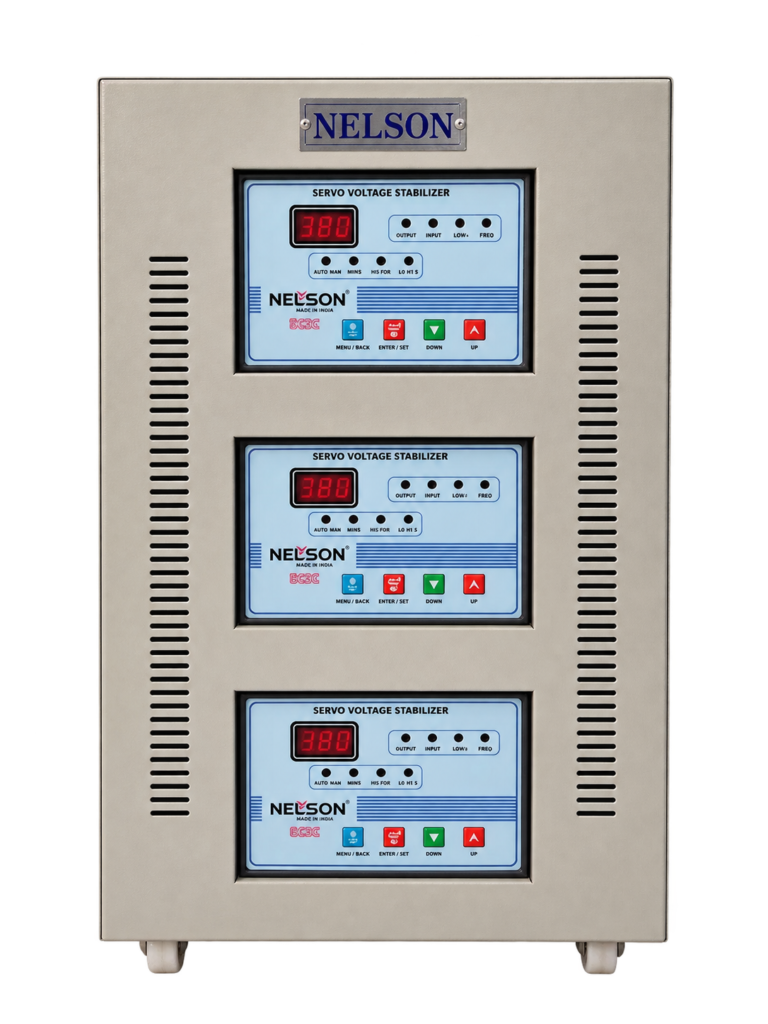
Industrial voltage protection involves keeping electrical equipment within a suitable operating range and preventing abnormal voltage conditions from causing unnecessary interruptions.
Protection may involve appropriate circuit protection, surge protection, monitoring equipment, properly maintained electrical connections, and voltage regulation equipment. The correct arrangement depends on the nature of the electrical system and the equipment being protected.
For facilities experiencing persistent Industrial Voltage Fluctuations, a Servo voltage stabilizer can be used as part of the voltage regulation arrangement. A stabilizer continuously monitors the input voltage and adjusts its output to provide a more controlled voltage to connected equipment, subject to its specified operating range and capacity.
An Industrial servo stabilizer can be particularly relevant where sensitive industrial machinery requires regulated voltage and the incoming supply varies regularly.
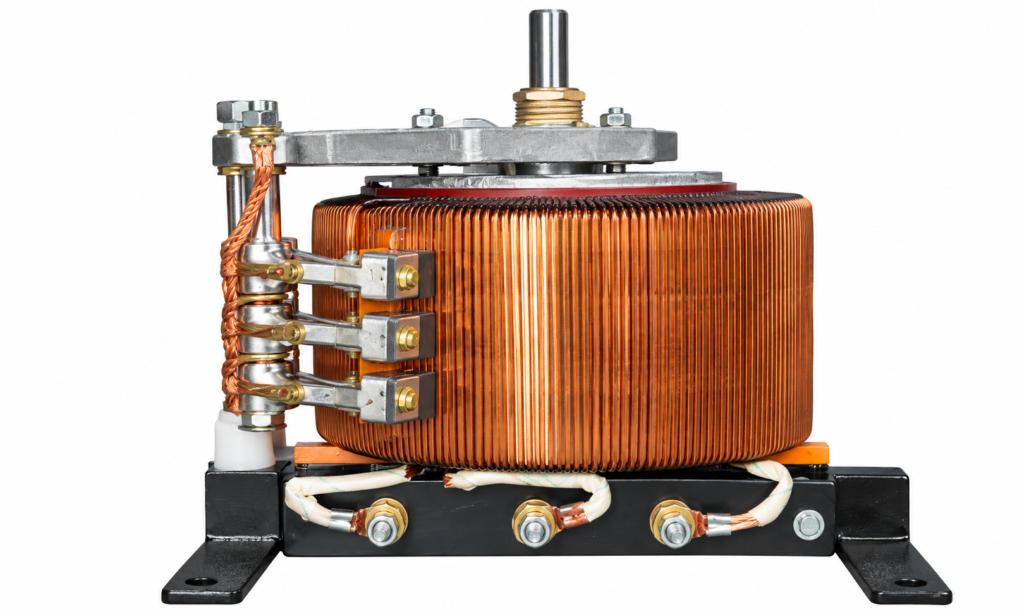
How a Servo Voltage Stabilizer Helps
A servo voltage stabilizer uses a voltage-sensing and correction mechanism to regulate the output voltage. When the incoming voltage changes, the system detects the variation and adjusts the output accordingly.
The objective is to provide a more stable voltage to the connected load. This can be useful for industrial machines where inconsistent voltage can interfere with normal operation.
However, stabilizer selection should be based on actual electrical requirements. Capacity, input voltage range, output voltage, phase configuration, load characteristics, starting current, and installation conditions should all be considered.
| Requirement | Why it matters |
|---|---|
| Load capacity | Prevents unsuitable loading |
| Input range | Determines regulation capability |
| Phase type | Matches the electrical system |
| Starting current | Important for motor loads |
| Output requirement | Determines regulated supply |
| Installation environment | Supports reliable operation |
Voltage Regulation for Industrial Equipment

Voltage regulation for industrial equipment should begin with understanding the actual voltage profile of the facility.
If voltage remains stable during normal operation but drops significantly during motor starting, the solution may involve reviewing motor-starting arrangements, feeder capacity, transformer loading, or starting methods.
If the incoming voltage continuously moves above and below the desired level, a voltage regulation system may be more relevant.
Industrial Voltage Fluctuations should also be monitored after corrective measures are installed. Checking the voltage before and after regulation provides useful information about whether the electrical condition has actually improved.
Practical Steps to Identify Industrial Voltage Fluctuations
The first step is to record the voltage at the main incoming point and at important equipment. Measurements should be taken during normal production, heavy-load periods, machine starting, and low-load periods.
The next step is to identify whether the variation is present across the entire facility or only at a particular machine. If several machines show the same voltage movement, the issue may be closer to the main distribution system.
If only one machine experiences the problem, its feeder, cable, terminals, local transformer, and connected load should be inspected.
Electrical connections should also be checked for overheating, looseness, corrosion, or other signs of abnormal resistance. Any electrical inspection should be performed by qualified personnel using suitable safety procedures.
Samtronix Power Equipments for Industrial Voltage Regulation
Samtronix Power Equipments manufactures servo voltage stabilizers designed for industrial and commercial electrical applications. Its range can be considered where equipment requires controlled voltage despite variations in the incoming electrical supply.
For an application experiencing Industrial Voltage Fluctuations, the stabilizer should be selected according to the actual load and supply conditions rather than only the machine’s nameplate capacity. Motor starting requirements and future load expansion should also be considered during system planning.
The right voltage regulation arrangement can help industrial users maintain a more controlled supply for machinery and reduce interruptions associated with unstable voltage conditions.
Common Voltage Problems and What to Check
| Observed problem | Initial area to investigate |
|---|---|
| Voltage drops when motor starts | Motor starting current and feeder |
| Voltage changes during peak production | Transformer and distribution loading |
| Machine voltage differs from panel voltage | Cable and connections |
| Voltage remains consistently high | Incoming supply and transformer tap |
| Voltage fluctuates throughout the day | Utility supply and load pattern |
| Only one machine has low voltage | Local feeder and terminals |
FAQs | Industrial Voltage Fluctuations
1. Why does voltage drop when a large motor starts?
A large motor can draw high starting current, creating a temporary voltage drop through the impedance of the electrical supply and feeder.
2. Can loose connections cause industrial voltage fluctuations?
Yes. Loose or corroded connections can increase circuit resistance and produce localized voltage drops, heating, and unstable equipment operation.
3. Why is voltage normal at the panel but low at the machine?
Cable length, conductor size, feeder loading, and poor connections can cause additional voltage drop between the distribution panel and the machine.
4. Can capacitor banks cause voltage problems?
Improperly sized or controlled capacitor banks can influence voltage conditions, particularly during light-load operation or unsuitable switching conditions.
5. How can I find the actual cause of voltage fluctuations?
Record voltage at the incoming supply and machine terminals during different production conditions. Comparing these measurements can help identify where the variation develops.
6. When is a servo voltage stabilizer useful?
A servo voltage stabilizer can be useful when equipment regularly receives varying input voltage and requires regulated output within the stabilizer’s specified operating range.
7. Should voltage be monitored after installing regulation equipment?
Yes. Post-installation monitoring helps verify the regulated output under normal, peak, and changing load conditions and can reveal issues that may not appear during a single measurement.
Connect with Samtronix on LinkedIn for Industrial Power Expertise.